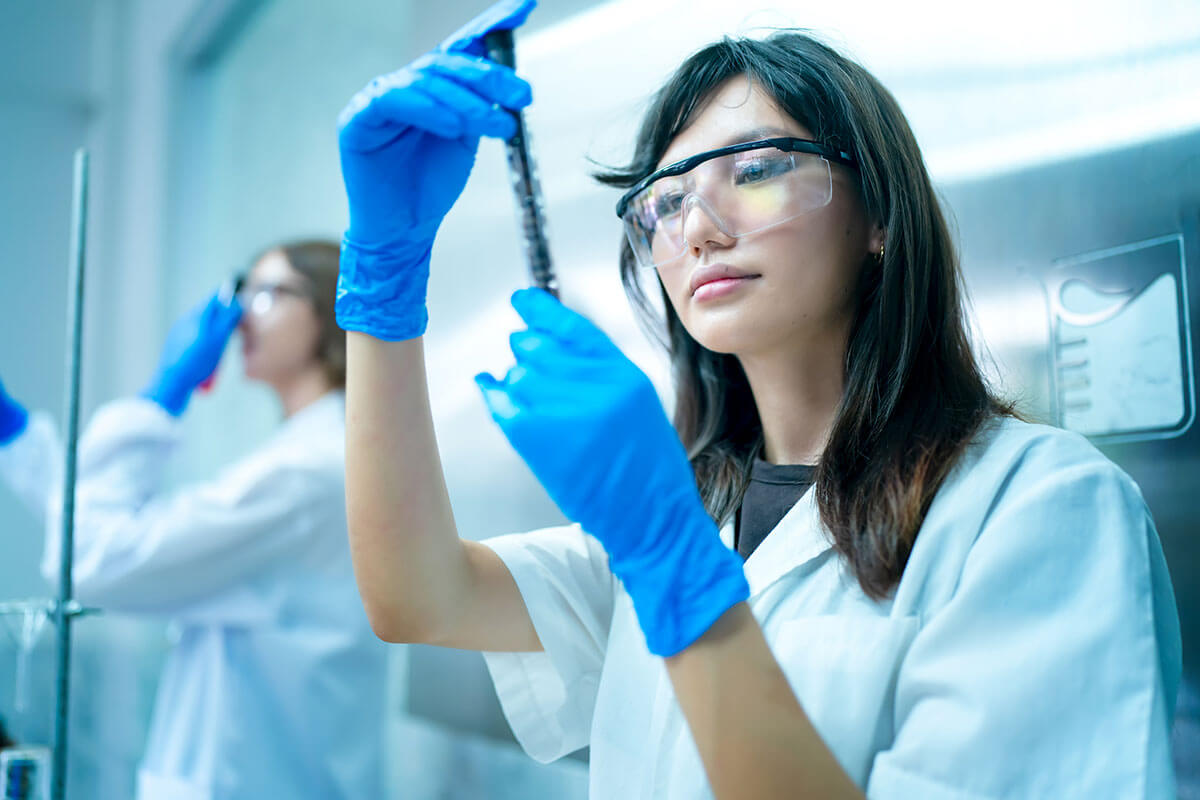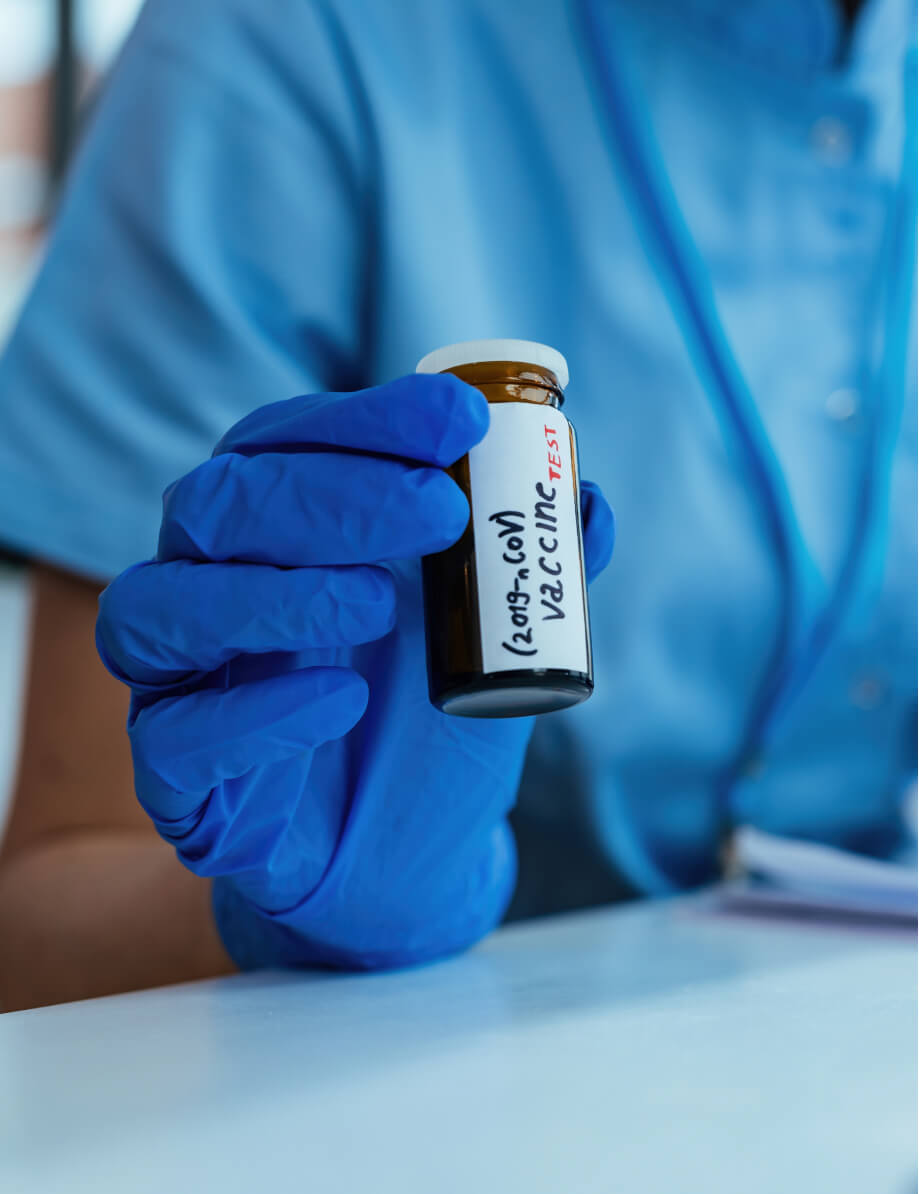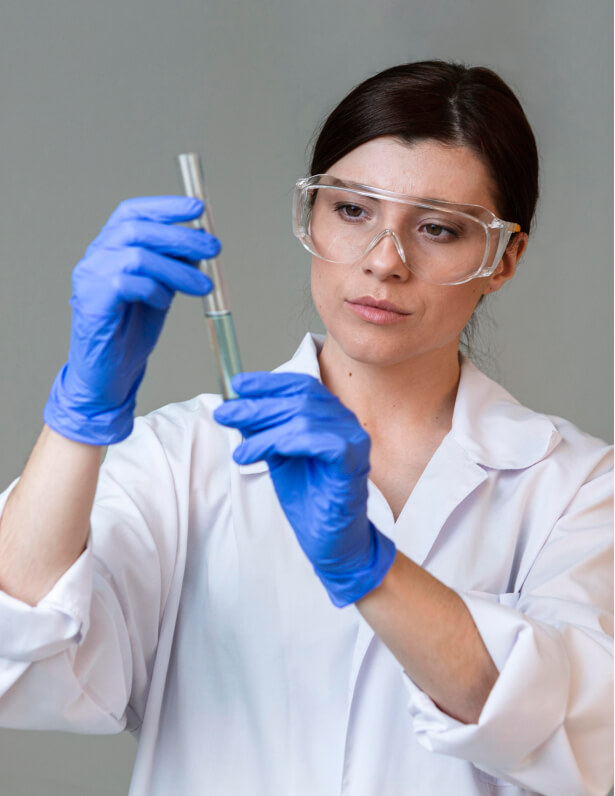


Muscle recovery peptides are gaining significant attention in research for their potential role in supporting the body’s natural recovery processes after intense physical activity. Effective recovery is essential for muscle growth, endurance, improved performance, and long-term athletic development. During exercise, muscle fibers experience stress and microscopic damage, prompting the body to activate complex biological processes that reduce inflammation, stimulate protein synthesis, regulate cellular signaling, and repair damaged tissues.
Researchers are investigating muscle recovery peptides to better understand how they may help enhance these natural regenerative mechanisms, support tissue repair, and optimize recovery following strenuous training. While ongoing studies continue to explore their potential, these peptides remain an important area of scientific research in sports performance and regenerative science.
What exactly are muscle recovery peptides?
Body muscle recovery peptides are also made from chain-linked amino acids which the body uses to relay signals between cells. This signaling controls a range of biological functions: including the production of hormones, immunity, the communication of cells to one another, and metabolism and repair of tissue. The body’s muscle repair peptides also intrigue the scientific world due to their perceived influence on the process of muscle repair after exertion. The way peptides connect to cells is different to a lot of other regular Sports Supplements, they work via connecting to other cells using special receptors.
Because of this, scientists specializing in exercise physiology and sports medicine are looking at peptides closely to understand how their activity impacts recovery.
How peptides actually aid in muscle recovery
When you workout, you place the muscles in your body under strain, and micro-damage happens. To recover your tissues, your body starts its normal repair and recovery procedures, including the creation of protein and managing cellular inflammatory responses, chemical signaling, and cell rebuilding. Because certain peptides have been shown to communicate with cells involved in inflammation, cell remodeling, and muscle rebuilding, these are what researchers interested in muscle recovery peptides are studying.
This recuperation, along with adaptations, can then improve performance and decrease chances of injury by making the muscles more efficient.
Therefore, muscle recovery peptides have remained an area of interest in sports medicine and regenerative research.
How do the biological signals known as muscle recovery peptides perform their work? They function by signaling cells in your muscles to take part in specific cellular functions that support tissue remodeling and reconstruction after exercise and trauma.
Assisting Muscle Repair
When exercise causes some trauma to muscle fibers, the body’s repair mechanism kicks in. Several muscle recovery peptides are currently being explored to determine if they can help with tissue regeneration and cellular healing. Scientists have found that such peptides can influence how cells and tissues regenerate in order to improve muscle recuperation and repair following tough training. Protein synthesis, cellular remodeling, and communication all play key roles in the healing process, and research has indicated that these functions might be influenced by specific peptides.
Assisting with muscle growth and recuperation
For athletes, a balance of training and recuperation is vital to achieving progress over time. Because physical development and training stimulus need recuperation for successful physiological changes, how muscle recovery works has long been a topic of discussion among athletes and researchers. Research continues into how certain outdoor-signaling pathways contribute to muscle development and recuperation, potentially by impacting tissue restoration and physiological adjustments made by your muscles after training.
Muscle repair peptides and athletic development
A good number of professional athletes are recognizing that proper recovery is essential for sustained athletic development and success. Better tissue repair results in less down time and more training with improved physical and physiological adaptations to intense work. Researchers who research peptides continue to investigate their role in the recuperation process of athletes and in assisting the restoration of tissue damage following exercise. Muscle recovery peptides is a growing area of interest in research in both sports medicine and regenerative medicine.
Why is it that peptides remain a point of discussion around bodybuilding peptides Canada?
The current growth of peptide research in all regions of the globe includes considerable interest from organizations and individuals interested in bodybuilding peptides Canada and beyond. Sports performance professionals and researchers are investigating how peptide therapy may help with recuperación and adaptation processes, among other benefits. The interest in bodybuilding peptides Canada and related topics is due to peptides having very particular biological functions and interacting with specific physiological targets. As our understanding grows, peptide research may contribute to athletic and recuperation science in many different parts of the globe.
Upcoming future of research on muscle recovery peptide research
As scientific discovery regarding exercise physiology and regenerative biology increases, peptides that help muscle recuperate, repair, and grow become increasingly important. Researchers are working on new ways peptides for muscle repair, muscle regeneration and development, and even body building peptide therapies such as the ones that have created much of the current interest in bodybuilding peptides Canada. Scientists are examining the relationship between physiological changes from intense training and their impact on recovery biology and how that affects an athlete’s capacity to perform for longer durations of time at their greatest level. New discoveries have emerged thanks to advances in cellular biology and exercise physiology science and have provided more advanced methods to monitor and modulate peptide activity, leading to an in-depth analysis of cellular signaling and its role in recovery.
Summary
Muscle recovery peptide research is moving at a fast pace in step with ongoing advances in exercise biology and regenerative research. It is a science field of extreme interest for professionals who focus on the best way to enhance the results of their training programs. Studies regarding peptides for muscle recuperation and muscle regrowth and repair, as well as topics related to the field of body building peptides Canada are being expanded. ScienceLab Peptide offers a range of top quality, research-grade peptides and can support you in your own research into recovery biology, muscular health, and athletic performance research around the world.